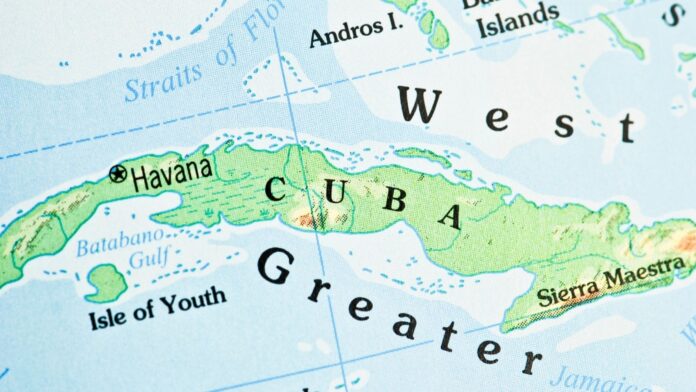

Cuban authorities say four armed gunmen were killed after a clash aboard a Florida-registered speedboat that failed to comply with warnings from Cuban border guards and entered territorial waters near the island’s northern coast. Cuba’s official news outlets reported the incident early today, calling it a violent confrontation at sea that ended in bloodshed.
The speedboat, carrying a US registration number, was allegedly spotted by Cuban border forces late Tuesday evening. According to Cuban authorities, verbal and visual warnings went unheeded, prompting patrol units to take decisive action.
The identities of the deceased men have not been publicly confirmed, and Havana has not yet clarified whether they were migrants, smugglers, or associated with broader criminal networks.
What Happened at Sea
Border Guard sources said that the speedboat was first sighted near the El Pino channel, close to Villa Clara province on Cuba’s northern shore. The craft allegedly ignored repeated commands to stop and continued toward restricted waters. After escalating warnings, Cuban forces opened fire, resulting in the deaths of four individuals on board.
The US registration on the vessel has drawn particular attention because it raises questions about the origin, ownership and intent of the boat’s occupants — especially amid ongoing regional migration and smuggling concerns in the Caribbean.
Diplomatic Questions and US Response
At the time of writing, the US State Department has not issued a formal statement about the incident, but officials are reportedly monitoring developments. In similar past maritime incidents, Washington has sought clarity of facts and urged thorough investigations before leaping to judgments. No official response is yet confirmed.
Observers note that border disputes and high-speed chases at sea often lead to escalating violence, especially in sensitive regions like the Caribbean, where migration, drug trafficking and search-and-rescue operations frequently overlap.
Regional Context
The Caribbean has seen a series of maritime tensions in recent years — from migrant crossings between Haiti and the Bahamas to interdictions involving drug traffickers operating north-south corridors.
Clashes like this one sometimes continue a longstanding pattern of contested jurisdiction and enforcement challenges. Analysts emphasize that maritime law and territorial boundaries can be complicated, particularly when registered vessels sail under flags different from the crews’ nationalities.
Why It Matters
1. Security and Migration: This incident could influence how Caribbean states coordinate with the US and neighbors on maritime patrols and migrant interdictions.
2. Diplomatic Sensitivities: If the US government confirms the vessel’s ownership, bilateral discussions could follow, especially if questions arise about crew nationality or intent.
3. Deterrence and Border Control: Havana may cite the clash as justification for strengthened maritime defenses and coordination with regional partners.
Expert Insight
Security experts say that fatal maritime engagements are uncommon but not unprecedented. Governments typically emphasize de-escalation, issuing warnings and pursuing diplomatic channels. This event, however, appears to be one of the more violent recent clashes, potentially complicating US-Cuba maritime and security relations going forward.
What to Watch Next
- Formal US government statement on the incident
- Identification of the deceased men and their background
- Statements from Caribbean maritime authorities
- Whether Cuba releases video or radar data of the encounter
Takeaway:
A deadly border clash involving a US-registered speedboat highlights the complexities of Caribbean maritime security and may prompt renewed discussions on migration, enforcement and diplomatic protocols.