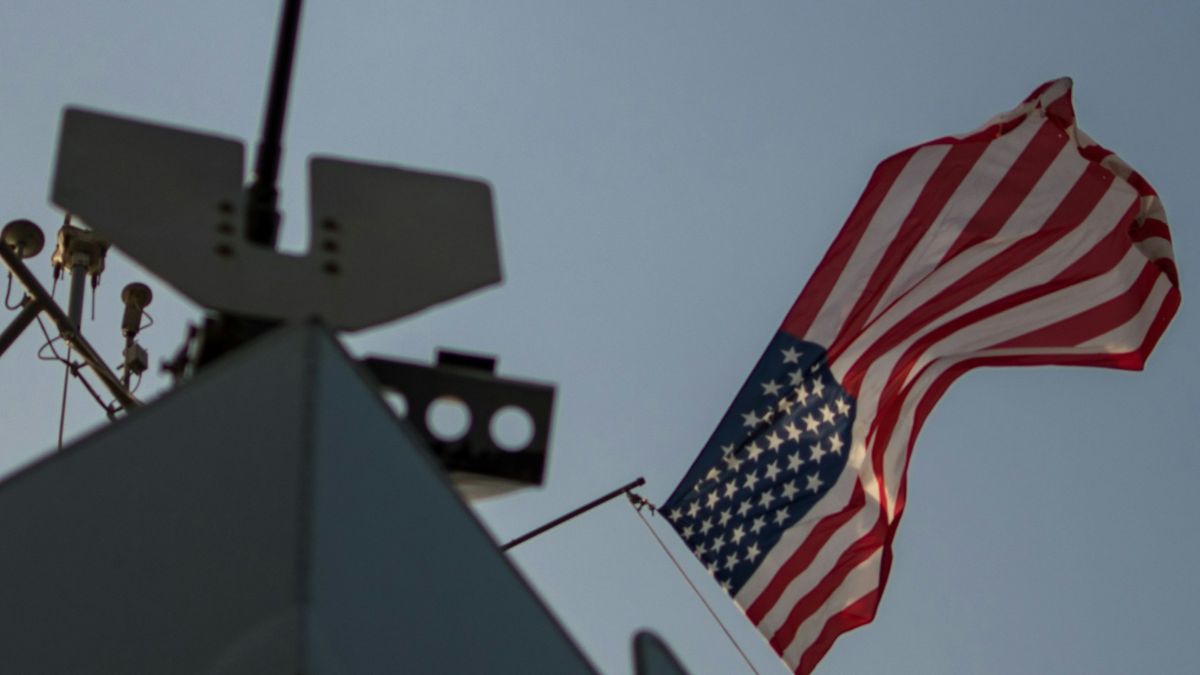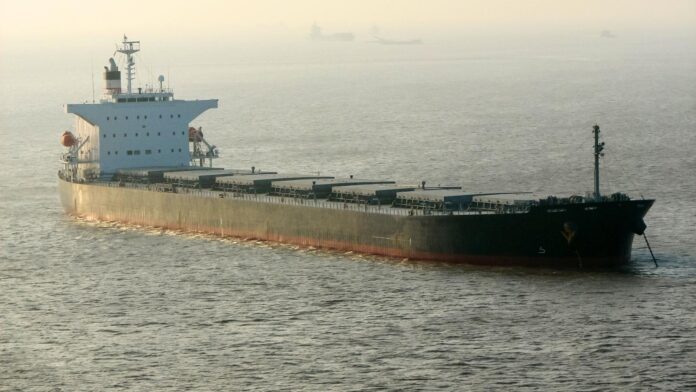

The ceasefire gave the world a five-day window of relief. Oil fell 16 percent. Stock markets surged. Consumers dared to hope that petrol prices might ease. That window is now shut. The US naval blockade of Iranian ports, which took effect at 10 AM ET on Monday, adds a new and more permanent layer of supply constraint to an energy market already operating under the worst disruption since the 1970s.
The Supply That Is Now Blocked
Trump’s blockade of Iranian ports would halt the nearly 2 million barrels a day of Iranian oil that has been passing through the waterway, further squeezing global supply and cutting off a vital lifeline for the Islamic Republic.
This is not marginal supply. Iran was the world’s third-largest OPEC producer before the war. Blocking its oil from reaching global markets at a moment when the Strait of Hormuz is already carrying a fraction of its pre-war traffic compounds a supply problem that was already at historic severity.
The restriction of shipments through Hormuz — through which roughly 20 percent of the world’s seaborne oil normally passes — has caused Brent crude to spike above $120 at its wartime peak, forcing countries from the Philippines to Sri Lanka to declare energy emergencies and ration fuel. The IEA has called this the largest supply disruption in the history of the global oil market.
What Markets Are Doing Right Now
The five-day ceasefire had pushed Brent crude from a wartime peak of over $110 down to approximately $91 — a 17 percent decline that briefly restored some optimism to global energy markets. That decline is reversing.
With the Islamabad talks collapsed, Trump’s blockade announced, and no diplomatic process active, oil is moving back toward pre-ceasefire levels. Every market that celebrated the ceasefire is now repricing for a longer conflict, tighter supply, and a new military enforcement operation in the world’s most critical energy waterway.
On Sunday, ship transits through Hormuz remained at greatly reduced levels in the face of Tehran’s stranglehold on the chokepoint, with most vessel owners reluctant to operate in an area that until recently was a war zone. The normal Hormuz transit route remained essentially empty.
What This Means for US Consumers
On March 31, US gas prices hit $4 a gallon as the war with Iran caused a 30 percent surge in gas prices. California’s gasoline prices exceeded $5 per gallon in the second week of March.
By Friday, April 10, the national average had risen to $4.15 a gallon, according to AAA. That figure was calculated before the blockade was announced and before the Islamabad talks collapsed. The trajectory now points upward.
The March CPI data — released last Friday — already showed the largest monthly increase in energy prices since the Bureau of Labor Statistics began tracking in 1967: gasoline up 21.2 percent in a single month. April’s CPI, which will capture the blockade’s impact, is likely to show continued pressure.
What It Means for the Rest of the World
The pain falls unevenly — and its sharpest edge falls on countries with the least capacity to absorb it.
Countries including Zimbabwe, Pakistan, Bangladesh, Nigeria, and Vietnam are facing severe fuel shortages. The Philippines declared a state of energy emergency in March. The blockade, by further restricting Iranian oil and prolonging the Hormuz supply crisis, will push these shortages deeper and make the energy-poverty crisis in the developing world significantly worse.
For Europe, the concern is different: a prolonged supply disruption that pushes fuel and energy costs high enough to tip energy-intensive economies — Germany and Italy chief among them — into technical recession. The European Central Bank has already postponed planned interest rate reductions, raising its 2026 inflation forecast, and UK inflation is expected to breach 5 percent in 2026.
How Long Could the Pain Last?
Even in the scenario where the blockade is lifted quickly and the Strait fully reopens, the damage already done to global supply chains, infrastructure, and market confidence will take months to reverse.
Most vessel owners remain reluctant to operate in an area that until recently was a war zone, regardless of any formal change in the military situation. Insurance costs are elevated. The backlog of tankers trapped in the Gulf — 426 vessels at the height of the crisis — took time to build and will take time to clear.
If the blockade holds, and if it triggers another round of hostilities before the ceasefire formally expires on April 22, the economic damage would be compounded significantly. The analysts who warned before the ceasefire that the world was heading toward $200 oil have not changed that forecast — they have simply pushed the timeline.
The blockade is live. The oil market is responding. And for consumers at the pump, in the supermarket, and on their heating bills, the consequences of a diplomatic failure in Islamabad are already being felt in real time.