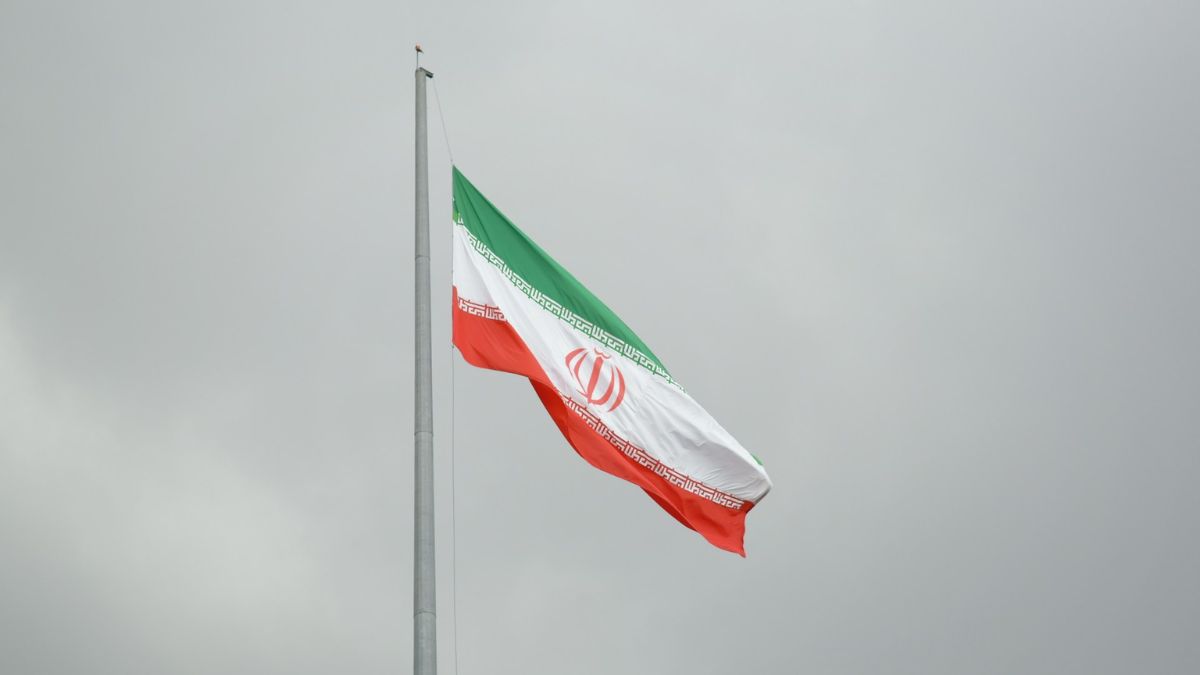
Global oil prices moved higher this week after rising geopolitical tension increased perceived risks to commercial shipping in one of the world’s most critical maritime corridors.
Energy traders added a risk premium to crude benchmarks as reports of expanded naval activity and precautionary measures near major oil transit routes prompted concern about potential supply disruptions. While no large-scale physical blockage has occurred, even the perception of instability in a high-volume shipping passage can move markets swiftly.
The development underscores how closely intertwined global energy markets remain with geopolitical events. In a world where roughly 20% of internationally traded oil passes through narrow sea lanes, any increase in military activity or diplomatic strain can translate into price volatility.
Why This Maritime Corridor Matters
The Strait of Hormuz serves as one of the most important chokepoints in global energy trade. It connects oil-producing Gulf nations to international markets in Asia, Europe, and North America. On average, millions of barrels of crude oil transit through the strait each day.
Because supply chains depend on uninterrupted flow, even temporary threats — whether from military posturing, inspections, or insurance reassessments — can elevate freight costs and inject uncertainty into futures markets.
Energy markets do not wait for confirmed disruption. They price risk immediately.
How Shipping Risk Impacts Oil Prices
Oil prices reflect both physical supply and expected risk. When shipping insurers raise “war risk” premiums for tankers entering certain zones, transportation costs increase. Charter rates for vessels often rise in tandem.
Those costs eventually filter through the supply chain:
- Higher tanker insurance premiums
- Increased freight rates
- Elevated refinery input costs
- Potential rise in wholesale fuel prices
Even if actual oil flow remains stable, traders may bid up futures contracts in anticipation of possible restrictions.
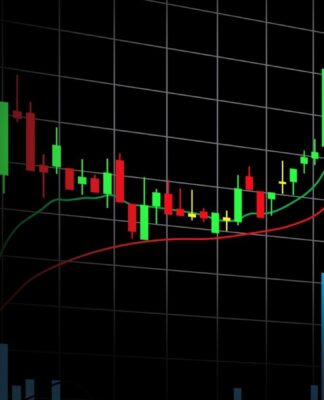
This week’s modest upward movement in Brent and WTI crude reflects precisely that dynamic — a pricing-in of uncertainty rather than confirmed supply loss.
Market Reaction: Cautious but Alert
Equity markets responded with mixed sentiment. Energy stocks saw gains as investors anticipated stronger margins for producers, while airline and logistics shares experienced slight downward pressure due to fuel cost sensitivity.
Gold prices also edged upward, signaling typical safe-haven flows when geopolitical tension intensifies.
Analysts emphasize that markets remain in a “watch-and-wait” posture. There has been no confirmed physical supply interruption, but elevated naval activity and strong diplomatic rhetoric have been enough to lift near-term futures.
What Could Escalate the Situation
Several developments could amplify volatility:
- Direct confrontation involving commercial vessels
- Formal shipping advisories from maritime authorities
- Expanded airspace or naval restrictions
- Additional sanctions affecting exports
Conversely, calming diplomatic signals could remove the current risk premium and stabilize prices.
Consumer Impact: Will Fuel Prices Rise?
For consumers, the impact depends on duration.
Short-lived tensions typically result in temporary spikes that normalize within days or weeks. However, sustained maritime instability can produce broader effects, especially if freight and insurance costs remain elevated.
Retail fuel prices lag wholesale movements, meaning any impact at the pump would take several days to appear.
Governments also retain strategic petroleum reserves that can be deployed if necessary to stabilize markets.
Strategic Petroleum Reserves and Global Buffers
Major energy-consuming countries maintain emergency oil reserves specifically designed to cushion temporary supply shocks.
If shipping concerns were to evolve into measurable supply disruption, coordinated releases could dampen price acceleration.
That safety net reduces the likelihood of extreme price spikes absent a direct and prolonged blockade.
Long-Term Implications
This episode reinforces a broader structural reality: global energy security remains vulnerable to regional geopolitical dynamics.
Even as renewable energy capacity expands worldwide, oil continues to underpin transportation, aviation, and industrial systems.
Energy diversification reduces long-term risk, but in the short term, chokepoints like the Strait of Hormuz retain disproportionate influence.
What to Watch Next
Market participants will closely monitor:
- Official maritime advisories
- Insurance premium adjustments
- Daily tanker traffic data
- Diplomatic statements from involved governments
- Crude futures price spreads
If tensions remain rhetorical rather than operational, prices may stabilize. But sustained uncertainty could maintain elevated volatility.