
Global financial markets experienced heightened volatility as geopolitical developments and regional security concerns unsettled investor confidence.
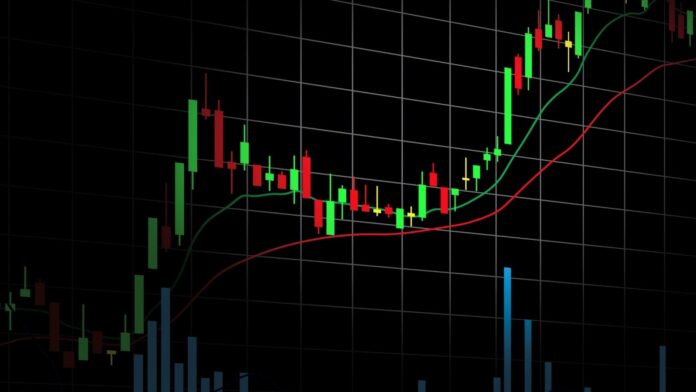
Equity indices across Asia, Europe, and North America fluctuated throughout trading sessions, reflecting caution rather than panic. While no systemic financial threat has emerged, investors adjusted positions in response to rising geopolitical noise.
Volatility measures ticked upward, though still well below crisis-era levels.
Equities: Defensive Rotation
Major stock indices opened cautiously. Technology shares showed mixed performance, while energy stocks outperformed due to firmer crude prices.
Investors shifted toward traditionally defensive sectors, including utilities and consumer staples, while trimming exposure to cyclical industries sensitive to global trade and fuel costs.
Portfolio managers described the environment as “risk-aware” rather than risk-averse — a subtle but important distinction.
Commodities: Gold and Oil Gain
Gold prices strengthened modestly, reflecting safe-haven demand.
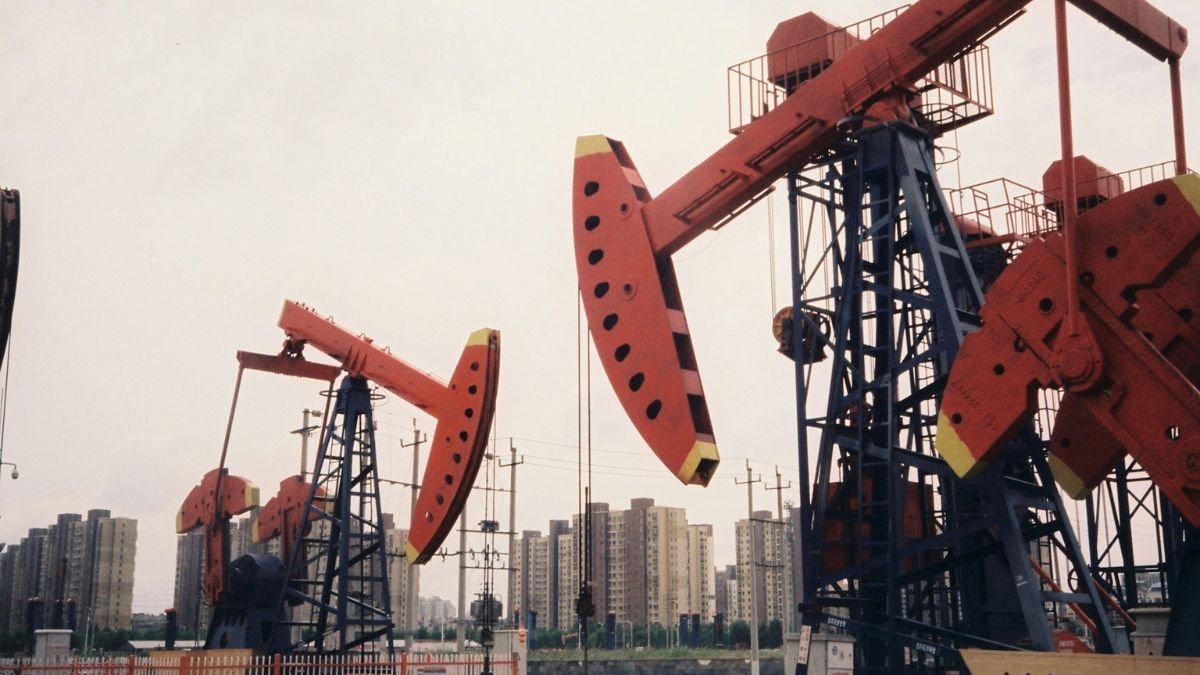
Oil prices also advanced, as discussed in the energy analysis above, reinforcing a broader theme: geopolitical tension supports commodity-linked assets.
This combination — equities softening while commodities firm — often signals caution rather than crisis.
Currency Markets: Dollar Stability
The U.S. dollar remained relatively stable against major currencies, supported by its safe-haven status and expectations surrounding monetary policy.
Emerging market currencies experienced mild pressure, particularly those heavily dependent on energy imports.
Why Markets React This Way
Markets function on expectations. When uncertainty rises, investors rebalance portfolios toward assets perceived as stable.
Three factors typically drive volatility in such moments:
- Fear of supply disruption
- Policy uncertainty
- Potential escalation scenarios
Importantly, volatility does not necessarily predict sustained downturns. Many geopolitical-driven selloffs historically reverse if tensions ease.
Investor Strategy in Uncertain Periods
Institutional investors often respond by:
- Increasing cash allocations
- Buying short-duration bonds
- Hedging with options
- Adding exposure to commodities
Retail investors, meanwhile, are advised to avoid emotional trading and focus on long-term diversification.
Central Bank Considerations
Central banks are unlikely to react directly to geopolitical developments unless they materially affect inflation or financial stability.
However, prolonged energy price increases could complicate inflation outlooks, influencing monetary policy decisions.
What Would Trigger Larger Market Moves?
Markets would likely react more strongly if:
- Confirmed supply disruptions occur
- Direct conflict expands geographically
- Sanctions materially alter trade flows
- Credit markets show stress signals
Absent those factors, volatility may remain contained.
Broader Economic Implications
Geopolitical-driven volatility often tests the resilience of global supply chains.
Corporations may accelerate diversification strategies, while governments reassess trade dependencies and energy security frameworks.
Such shifts can reshape economic alignments over time.
Bottom Line
For now, markets reflect caution rather than crisis.
Investors are watching diplomatic signals closely. Stability could return quickly if tensions de-escalate. Conversely, escalation would amplify commodity and equity swings.
The coming days will determine whether current volatility becomes a short-term tremor or the start of a more sustained risk cycle.