
Global financial markets are entering a renewed phase of volatility as oil prices surge toward the $110-per-barrel mark, reflecting escalating geopolitical tensions in the Middle East and growing fears of prolonged disruption to global energy supply.
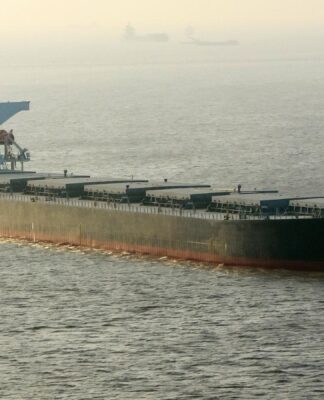
The sharp increase in oil prices is being driven by concerns over reduced tanker traffic through key maritime chokepoints, particularly the Strait of Hormuz, as well as continued attacks on energy infrastructure across the region. Investors are reacting quickly, with equity markets showing declines and safe-haven assets gaining traction.
The situation is raising broader questions about inflation, economic stability and the resilience of global supply chains.
What Happened
The latest surge in oil prices follows a series of developments in the Middle East that have disrupted energy flows and increased uncertainty in global markets.
Shipping activity through critical routes has slowed significantly, while insurance costs for tankers have risen sharply due to heightened risk levels.
At the same time, several energy facilities across the region have experienced operational disruptions linked to the ongoing conflict.
These combined factors have reduced effective supply, pushing prices higher.
Why It Matters
Oil prices play a foundational role in the global economy.
When prices rise sharply, the effects extend across multiple sectors, including transportation, manufacturing, agriculture and consumer goods.
Higher energy costs increase production expenses, which are often passed on to consumers in the form of higher prices.
This dynamic contributes to inflation, which can erode purchasing power and reduce economic growth.
Market Reaction
Global financial markets have responded with increased volatility.
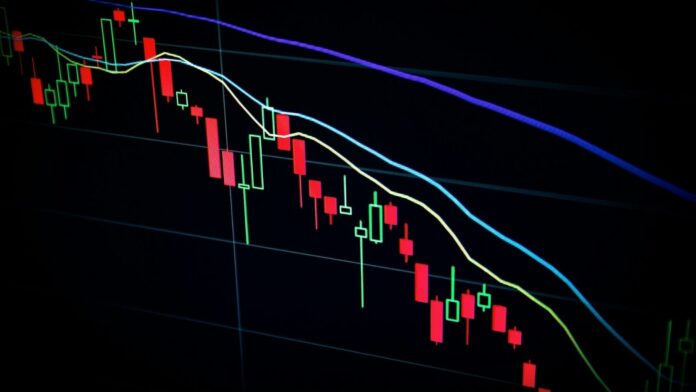
Equity markets in several regions have declined as investors reassess economic outlooks.
At the same time, demand for safe-haven assets such as gold and government bonds has increased.
Currency markets have also shown movement, reflecting shifts in investor sentiment and expectations for monetary policy.
Inflation Risks
The surge in oil prices is likely to feed into broader inflationary pressures.
Energy costs are a key component of inflation indices, and increases in fuel prices can quickly translate into higher costs for goods and services.
Central banks are now facing renewed pressure to manage inflation while avoiding excessive tightening that could slow economic growth.
Global Economic Impact
The impact of rising oil prices is not uniform across countries.
Energy-importing nations are particularly vulnerable, as higher prices increase trade deficits and inflation.
Energy-exporting countries, on the other hand, may benefit from increased revenues.
However, global economic stability depends on balanced conditions, and widespread volatility can create systemic risks.
What Happens Next
The trajectory of oil prices will depend largely on developments in the Middle East.
If tensions ease and supply routes stabilize, prices may moderate.
However, if disruptions continue or escalate, the global economy could face sustained pressure from high energy costs.
For now, markets remain highly sensitive to geopolitical developments, with energy prices acting as a key indicator of broader economic conditions.