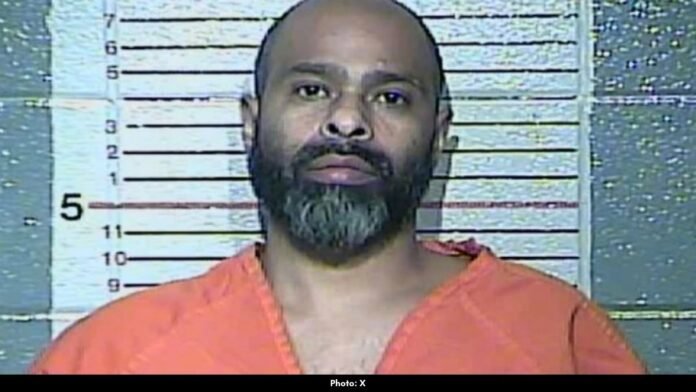

A grand jury in Kentucky has declined to indict Jacob Bard, the man accused of fatally shooting a student at Kentucky State University earlier this month, effectively closing the criminal case against him.
The grand jury in Frankfort returned a “no true bill” on Tuesday, meaning Bard will not face prosecution in the killing. His attorneys said the panel concluded he acted in self-defence.
Grand Jury Returns “No True Bill”
Bard’s lawyers confirmed the decision in a written statement, saying the matter is now closed. A “no true bill” indicates the grand jury did not find sufficient grounds to proceed with an indictment.
“This matter is now closed,” the attorneys said following the panel’s decision.
Details of the Kentucky State University Shooting
Bard, 48, of Evansville, Indiana, was arrested on December 9 after a shooting near M Young Jr Hall on the Kentucky State University campus. One student, De’Jon Fox, 19, of Indianapolis, was killed, while another student was critically injured.
Police have not released updates on the condition of the second student.
Arrest, Charges, and Bond
After the shooting, Bard was taken into custody at the scene and later charged with murder and first-degree assault. During an arraignment on December 11, a judge set his bond at $1 million.
Court records show Bard posted bond and was released from jail ahead of the grand jury proceedings.
Self-Defence Claim Outlined by Lawyers
In a detailed statement released earlier this week, attorneys from the firm Danks and Danks said Bard was “completely justified” in using deadly force.
According to police, Bard and his wife were on campus to move their two sons out of student housing due to safety concerns. Frankfort Police said the family was being escorted by security into a dormitory when they were confronted by another group, with the confrontation later moving outside where the shooting occurred.
Allegations of Prior Threats and Attacks
Bard’s lawyers claimed the family was attacked by a group of 20 to 30 people, many of whom they said were not students and were wearing ski masks, hoods, and other clothing to conceal their identities.
The attorneys alleged that Bard armed himself with his wife’s gun after noticing what they described as a mob forming. They also claimed one of Bard’s sons had been previously targeted on campus, citing a dormitory burglary in October and multiple alleged assaults in the days leading up to the shooting.