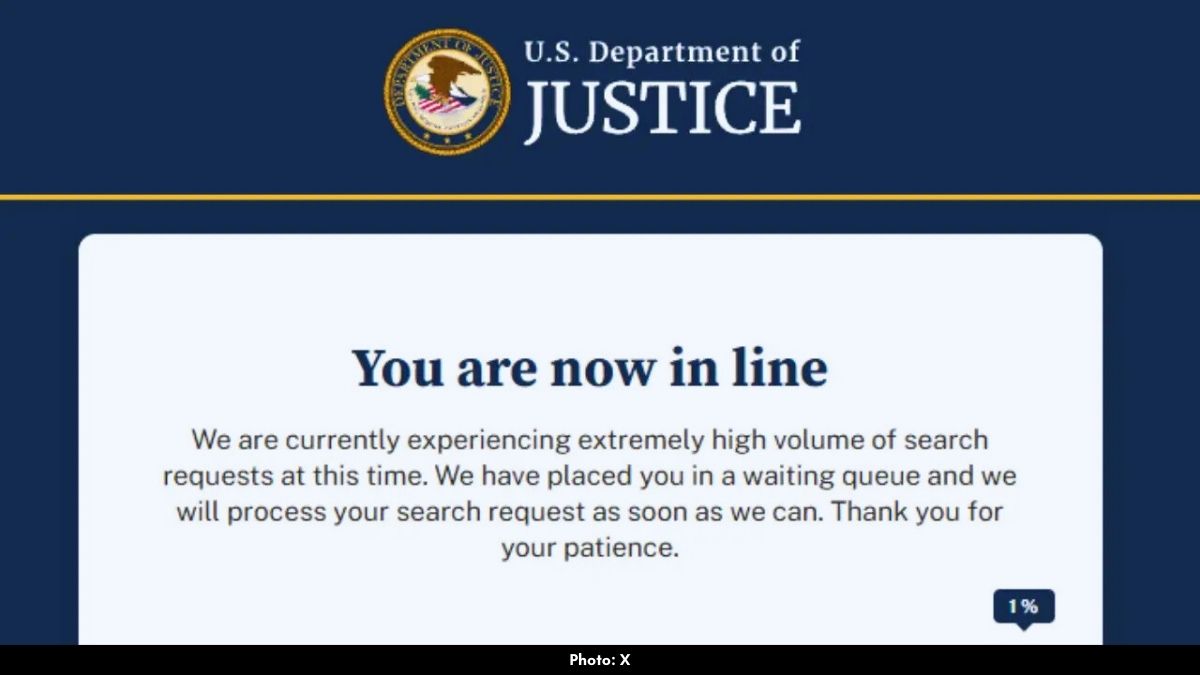

The U.S. Department of Justice (DOJ) has released a large and long-anticipated set of documents linked to its investigation into convicted sex offender Jeffrey Epstein, following the enactment of the Epstein Files Transparency Act.
The release marks the first major disclosure under the law, which requires the DOJ to make public all unclassified records, documents, communications, and investigative materials in its possession related to Epstein’s investigation and prosecution.
What the Epstein Files Include
The newly released materials are part of what the DOJ has described as the “Epstein Library.” The records are organized into several categories:
- Court Records
- DOJ Disclosures
- FOIA Records
- House Disclosures
Under the legislation, the DOJ was required to publish the documents on a public website and ensure they are downloadable and searchable.
Scale of the Document Release
Speaking to Fox News on Friday morning, Deputy Attorney General Todd Blanche said the DOJ planned to release “several hundreds of thousands” of pages on Friday, with additional documents expected to follow in future releases.
The DOJ has not specified how many total pages will ultimately be made public or when subsequent batches will be released.
Why the Release Has Drawn Attention
Epstein’s case has been under intense public scrutiny for years and has fueled widespread conspiracy theories, largely due to his connections to influential and wealthy individuals in the United States and abroad.
Epstein died in jail in 2019 while awaiting trial on federal charges related to sex trafficking of minors, a death that further intensified public interest and controversy surrounding the case.
Background on the Epstein Files Transparency Act
The Epstein Files Transparency Act was approved by Congress in November and mandates full public disclosure of DOJ-held Epstein-related materials that are not classified.
In the days before the House vote, President Donald Trump, who had previously opposed the legislation and urged Republicans to block it, reversed his position as passage became inevitable. Trump signed the bill into law on November 19.